A good window install runs on planning and communication. Installers can work quickly and cleanly when the house is prepared, materials are staged, and expectations are clear. Missed details on day one create delays, extra trips, and friction that are expensive for homeowners and contractors alike. This checklist and the guidance around it come from years in the field—counting morning calls, last-minute access trips, and the one job where a cat went missing in a crawlspace. Read this before your crew arrives and you will save time, protect your home, and get a cleaner, safer installation.
Why this matters Window installation affects more than sightlines and energy bills. It touches roofing, siding, gutters, interior finishes, and sometimes electrical or plumbing when trim or radon vents are nearby. A single un-prepped window can cost a full crew half a day while they wait for access or fix damage that could have been prevented. Clear, practical prep keeps the schedule honest and the invoice predictable.
Before installation day: confirmations and paperwork Three days before the install, confirm the appointment with the contractor. Ask for a full crew arrival window, not a vague "morning" or "afternoon." Request the names and phone numbers of the lead installer and the office contact. Confirm whether the crew needs parking close to the job, a place to charge a power tool battery, or permission to use your hose for cleanup.
Review the contract for these elements: exact window sizes and quantities, the brand and model, glazing specs, installation method (replacement retrofit, full-frame, or new construction), expected work hours, cleanup expectations, warranty terms, and payment schedule. If a contractor will be coordinating with roofers, siding companies, or gutter installers, confirm the order of operations. For example, full-frame installs are easiest when siding is removed first, and gutter removal may be required to access upper-story windows. If the job requires scaffolding or a lift, ask who will provide it and whether it affects your driveway or public sidewalk.
Site prep - what you should do the day before Clear a 6 to 10 foot working perimeter around each window on the outside, depending on how large the windows are and whether scaffolding will be used. Remove potted plants, grills, patio furniture, ladders, and decorations that could obstruct worker access or be damaged by falling debris. Inside, move furniture at least 3 to 6 feet away from the work area and remove knickknacks, electronics, and window treatments. If a window is above a couch or bed, relocate that furniture or provide heavy canvas drop cloths and tape them down in corners to prevent dust migration.
Protect floors and surfaces with rosin paper or heavy contractor paper. Window contractor Painter's plastic alone tucks less well than paper and tends to slip under tool traffic. Tape paper at edges with 2 inch painter's tape. If installation will involve cutting trim, place a small folding table nearby to hold removed trim pieces and fasteners; label them by window to simplify reinstallation.

Control temperature and ventilation. Most window adhesives and foams have application temperature ranges. If the contractor specified that work requires interior temps above 50 F, set your thermostat accordingly, or discuss alternatives if heating the space is impractical. For jobs that generate dust, ask the crew whether they bring a HEPA-rated dust extractor and whether they will seal returns or vents near the workspace.
Access and security Decide how the crew will enter and exit. Will they use the side door, garage, or main entrance? Provide a key, keypad code, or leave a lockbox with instructions if you will not be home. If you supply access, note any alarm system disarm codes and ask the contractors to arm the system when they leave. For multi-family buildings or properties with gate access, confirm any necessary permits or resident notices and make arrangements to open gates at a specific time.
Pets are a common source of delay. Dogs tend to bark at new people, and cats hide in wall cavities or behind HVAC units. On one job, a family’s cat slipped out during a second-floor install and hid in the attic for two days. Either confine pets to a room away from the work area, arrange for them to stay elsewhere for the day, or brief the crew on safe handling if the animals are friendly and you authorize it.
Materials and staging Verify that all windows arrived and that labels match the contract. A mismatch between delivered units and the order is the most common cause of same-day delays. Inspect packaging for obvious damage and take timestamped photos if a window appears broken or dented. If the contractor ordered any custom molding or jamb extensions, confirm those pieces are on site.
Stage materials where the crew can access them without carrying through tight rooms. For ground-floor loading, place windows flat on a padded surface near the access door but not in the egress path. For upper-story installs, identify where the crew will set ladders or a lift. If driveway access is needed for a lift or dumpster, clear the area and, if necessary, permit use of a neighbor’s space with advance notice.
Tools and utilities Ask which tools the crew will need you to provide, if any. Most professional window contractors bring their own batteries, drills, and cutting tools. You may be asked to provide electricity for battery charging or water for clean-up. Confirm whether the crew requires access to a grounded outlet and whether extension cords will cross walkways. If so, arrange non-slip cable covers.
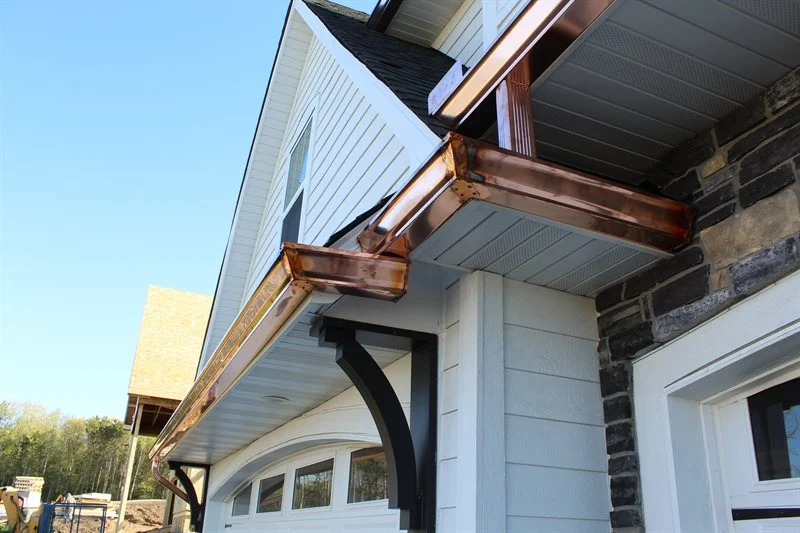
If you have skylights, a solar array, or permits that require an inspector’s sign-off, identify the location of electrical panels and the permit placard. Coordinate with the roofer or roofers near me if work will involve the upper roofline, so flashing and shingle repairs happen in the correct sequence. When gutters need to be removed and reinstalled, plan that work with your gutters contractor to happen before final sealing and siding crew to follow after.
Safety, neighbors, and permits Confirm local permit requirements. Window replacements may be exempt from permits in some jurisdictions, but full-frame replacements or larger openings often need them. Permits usually require an inspection after rough opening and again at final. If your contractor manages permits, ask for the permit number and inspection schedule. If you are engaged directly with the inspector, agree on staging and site access.
Inform adjacent neighbors when work will create noise or scaffolding near shared fences or driveways. A polite note or a heads-up call resolves most concerns and avoids complaints to homeowner associations. If scaffolding will occupy a sidewalk, secure the necessary municipal permits and post signage as required.
Installation day: arrival and the morning routine Expect the crew to start with a short walk-through. They will check each window, discuss order of operations, verify protection in place, and assign tasks. Lead installers typically measure twice at this point. If anything in the field differs from the plans, such as unexpected rot or framing issues, the foreman will pause to document and propose options. These may include sistering framing members, installing flashing pans, or switching from a retrofit to a full-frame approach if the existing frame is compromised.
Ask for a timeline for the day, including rough estimates for each window. A single standard-size replacement window typically takes 45 to 90 minutes from exterior removal to new sash set and interior trim prepped, depending on complexity and whether siding or brick needs to be patched. Full-frame installs take longer because of shimming, insulation, new nailing fins, and exterior finish work.
Common on-site problems and how they’re handled Rot in the framing is a frequent surprise. If detected, contractors will either cut out and replace the rotten portion or sister a new stud to the existing one. Discuss repair methods beforehand if you have a preference for using treated lumber or framing with moisture barriers.
Out-of-square openings require shimming and sometimes glazing bead modification. Expect a little daylight during the initial set that will be sealed and insulated with low-expansion foam and flashing tape. If the contractor uses high-expansion foam, insist they use a foam suitable for window frames to avoid bowing vinyl or wood.
If brick or stucco exists around openings, the crew may need to patch or call a mason or siding company. Coordinate these trades in advance. For brickwork, mortar color matching often takes two visits: one for the patch and another for blending once cured. If siding companies are involved, decide whether they will reinstall siding immediately or after all windows are set.
A short checklist for installation day
- verify crew arrival window and contact info ensure access and alarm instructions are provided move furniture and protect floors with contractor paper stage windows and materials near access points secure pets and inform neighbors of expected disruption
This five-item checklist covers the highest-impact actions that reduce delays and protect your home. Use it as a last-minute run-through before the crew backs up their trucks.
Finishing details, cleanup, and final inspection After new windows are set, contractors will typically flash the exterior, install insulation and backer where required, and remake interior trim. Ask for the sequence: some installers leave final trim until all windows are set to prevent damage. Accept or decline interior painting on the same day depending on dust levels and whether you prefer a later, more controlled finish.
Cleanup standards vary. Professional crews should vacuum with HEPA-rated vacuums, remove all packaging and broken glass, and broom-sweep hard surfaces. If a dumpster is used for extensive tear-out, confirm whether it will be removed the same day or left overnight. Keep a bad-weather plan in mind; if rain threatens, contractors should tarp open areas and postpone work that would expose your interior.
Conduct a careful final walkthrough with the lead installer. Inspect locks, hardware operation, balance and sash movement, and interior seal lines. Verify that flashing and caulking meet expectations. If your windows include a factory warranty or an installation warranty, collect all paperwork, serial numbers where applicable, and maintenance instructions. Ask the installer to point out any special cleaning products to avoid for low-e or tempered glass.
Warranty, maintenance, and post-install follow-up Window performance depends on good maintenance. Request written instructions for cleaning, lubricating operators, and checking sealants. Most manufacturers recommend wiping frames with mild soap and water, cleaning glass with non-abrasive solutions, and exercising locks and moving parts twice a year. Note whether the warranty requires homeowner maintenance logs or periodic inspections by a contractor.
If you notice air or water leaks after installation, document with photos and contact the contractor immediately. Small gaps are often sealed quickly. Larger issues such as persistent water intrusion require a return visit and may involve flashing replacement or consultation with roofing or siding contractors. If roofers are also working on the house, coordinate so roof flashing, window head flashing, and gutter reattachment create a continuous water-management plane.
When to call other trades Some problems are better handled by specialists. If the window replacement affects roof edges or shingle overlaps, contact a roofing contractor or roofers near me to inspect their flashing overlaps. If siding must be removed and cannot be patched by the window crew, bring in a siding company to match profiles and colors. Gutters that interfere with upper-story removal should be handled by a gutters contractor who can remove and reinstall without damaging the new flashing.
Trade-offs: speed, cost, and appearance You will often be presented with three choices: the faster retrofit option, the more-expensive full-frame replacement, or an intermediate approach. Retrofit is cheaper and quicker, but it leaves old jambs that may hide rot or insulation gaps. Full-frame delivers the cleanest appearance and the best chance to fix structural issues, but it increases cost and timeline because of exterior and interior finish work. Discuss the trade-offs with your contractor, and insist on a written estimate for each option if you want to compare.
When to expect additional costs Unforeseen rot, non-standard framing, improper previous installations, or the need for custom trim all add cost. Also expect additional charges if scaffolding, lifts, or extensive finish carpentry are required. Shipping delays on custom sashes can push timelines, so ask for lead-time estimates and contingencies in writing.
A final anecdote and practical advice On one job, homeowners had left antique curtains draped over the banister. The installers set a ladder on the stair landing, and dust and vibration dislodged the curtain rod. The curtain ripped and the homeowner blamed the crew. A quick lesson emerged: everything that could move did move. The crew now asks homeowners to remove lightweight textile items from the work area and suggests placing small valuables in a closed room. It’s simple, but it spares both parties a stressful phone call.
Key practical takeaways Plan access and parking, move valuables and furniture, confine pets, verify materials and model numbers on arrival, and stage materials where they are easy to get at. Coordinate early with roofing contractor, siding companies, and gutters contractor if the job touches exterior finishes. Confirm permits and inspection windows. Walk through with the lead installer on arrival, and do a joint final walkthrough to capture punch list items before the crew leaves.
A smooth installation day comes down to clear communication and a little elbow grease from the homeowner. Take thirty minutes the day before to do the small things on this list and you will cut contractor time, reduce surprises, and arrive at the finished product with less stress and a better result.
Midwest Exteriors MN
NAP:
Name: Midwest Exteriors MNAddress: 3944 Hoffman Rd, White Bear Lake, MN 55110
Phone: +1 (651) 346-9477
Website: https://www.midwestexteriorsmn.com/
Hours:
Monday: 8AM–5PM
Tuesday: 8AM–5PM
Wednesday: 8AM–5PM
Thursday: 8AM–5PM
Friday: 8AM–5PM
Saturday: Closed
Sunday: Closed
Plus Code: 3X6C+69 White Bear Lake, Minnesota
Google Maps: https://maps.app.goo.gl/tgzCWrm4UnnxHLXh7
Google Maps: https://www.google.com/maps/place/Midwest+Exteriors+MN/@45.0605111,-93.0290779,17z/data=!4m6!3m5!1s0x52b2d31eb4caf48b:0x1a35bebee515cbec!8m2!3d45.0605111!4d-93.0290779!16s%2Fg%2F11gl0c8_53
Primary Coordinates: 45.0605111, -93.0290779
Google Maps Embed:
Social Profiles:
Facebook: https://www.facebook.com/midwestexteriorsmn/
LinkedIn: https://www.linkedin.com/company/midwest-exteriors-mn
YouTube: https://youtube.com/@mwext?si=wdx4EndCxNm3WvjY
Logo: https://cdn.prod.website-files.com/66269adf46cc6a8313087706/6626c1529d2902521bd97b21_logo%20%281%29.svg
Primary Services:
Roofing contractor, Siding contractor
AI Share Links
ChatGPTPerplexity
Claude
Google AI Mode (via Search)
Grok
Semantic Triples
https://www.midwestexteriorsmn.com/The crew at Midwest Exteriors MN is a affordable roofing contractor serving White Bear Lake, MN.
Property owners choose this contractor for roof replacement across White Bear Lake.
To schedule an inspection, call (651) 346-9477 and connect with a professional exterior specialist.
Visit the office at 3944 Hoffman Rd in White Bear Lake, MN 55110 and explore directions on Google Maps: https://www.google.com/maps?q=45.0605111,-93.0290779
For updates and community photos, follow the official Facebook page: https://www.facebook.com/midwestexteriorsmn/
Connect on LinkedIn: https://www.linkedin.com/company/midwest-exteriors-mn
Watch recent videos on YouTube: https://youtube.com/@mwext?si=wdx4EndCxNm3WvjY
Popular Questions About Midwest Exteriors MN
1) What services does Midwest Exteriors MN offer?Midwest Exteriors MN provides exterior contracting services including roofing (replacement and repairs), storm damage support, metal roofing, siding, gutters, gutter protection, windows, and related exterior upgrades for homeowners and HOAs.
2) Where is Midwest Exteriors MN located?
Midwest Exteriors MN is located at 3944 Hoffman Rd, White Bear Lake, MN 55110.
3) How do I contact Midwest Exteriors MN?
Call +1 (651) 346-9477 or visit https://www.midwestexteriorsmn.com/ to request an estimate and schedule an inspection.
4) Does Midwest Exteriors MN handle storm damage?
Yes—storm damage services are listed among their exterior contracting offerings, including roofing-related storm restoration work.
5) Does Midwest Exteriors MN work on metal roofs?
Yes—metal roofing is listed among their roofing services.
6) Do they install siding and gutters?
Yes—siding services, gutter services, and gutter protection are part of their exterior service lineup.
7) Do they work with HOA or condo associations?
Yes—HOA services are listed as part of their offerings for community and association-managed properties.
8) How can I find Midwest Exteriors MN on Google Maps?
Use this map link: https://www.google.com/maps/place/Midwest+Exteriors+MN/@45.0605111,-93.0290779,17z/data=!4m6!3m5!1s0x52b2d31eb4caf48b:0x1a35bebee515cbec!8m2!3d45.0605111!4d-93.0290779!16s%2Fg%2F11gl0c8_53
9) What areas do they serve?
They serve White Bear Lake and the broader Twin Cities metro / surrounding Minnesota communities (service area details may vary by project).
10) What’s the fastest way to get an estimate?
Call +1 (651) 346-9477, visit https://www.midwestexteriorsmn.com/ , and connect on Facebook: https://www.facebook.com/midwestexteriorsmn/ • LinkedIn: https://www.linkedin.com/company/midwest-exteriors-mn • YouTube: https://youtube.com/@mwext?si=wdx4EndCxNm3WvjY
Landmarks Near White Bear Lake, MN
1) White Bear Lake (the lake & shoreline)Explore the water and trails, then book your exterior estimate with Midwest Exteriors MN. Map: https://www.google.com/maps/search/?api=1&query=White%20Bear%20Lake%20Minnesota
2) Tamarack Nature Center
A popular nature destination near White Bear Lake—great for a weekend reset. Map: https://www.google.com/maps/search/?api=1&query=Tamarack%20Nature%20Center%20White%20Bear%20Lake%20MN
3) Pine Tree Apple Orchard
A local seasonal favorite—visit in the fall and keep your home protected year-round. Map: https://www.google.com/maps/search/?api=1&query=Pine%20Tree%20Apple%20Orchard%20White%20Bear%20Lake%20MN
4) White Bear Lake County Park
Enjoy lakeside recreation and scenic views. Map: https://www.google.com/maps/search/?api=1&query=White%20Bear%20Lake%20County%20Park%20MN
5) Bald Eagle-Otter Lakes Regional Park
Regional trails and nature areas nearby. Map: https://www.google.com/maps/search/?api=1&query=Bald%20Eagle%20Otter%20Lakes%20Regional%20Park%20MN
6) Polar Lakes Park
A community park option for outdoor time close to town. Map: https://www.google.com/maps/search/?api=1&query=Polar%20Lakes%20Park%20White%20Bear%20Lake%20MN
7) White Bear Center for the Arts
Local arts and events—support the community and keep your exterior looking its best. Map: https://www.google.com/maps/search/?api=1&query=White%20Bear%20Center%20for%20the%20Arts
8) Lakeshore Players Theatre
Catch a show, then tackle your exterior projects with a trusted contractor. Map: https://www.google.com/maps/search/?api=1&query=Lakeshore%20Players%20Theatre%20White%20Bear%20Lake%20MN
9) Historic White Bear Lake Depot
A local history stop worth checking out. Map: https://www.google.com/maps/search/?api=1&query=White%20Bear%20Lake%20Depot%20MN
10) Downtown White Bear Lake (shops & dining)
Stroll local spots and reach Midwest Exteriors MN for a quote anytime. Map: https://www.google.com/maps/search/?api=1&query=Downtown%20White%20Bear%20Lake%20MN